K-drama Love
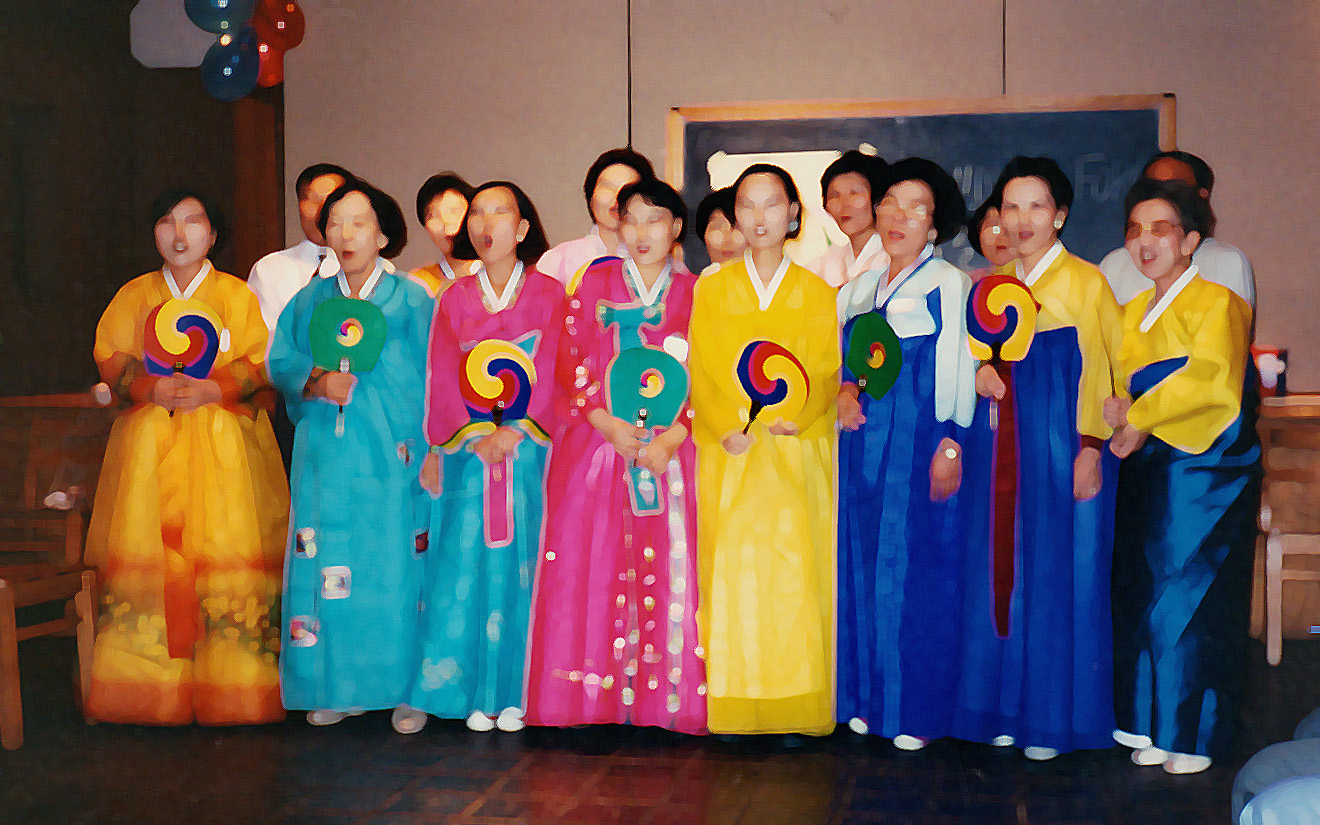
I have recently discovered K-dramas (television series produced in South Korea), and this page is where I will gather reviews and resources.


Post: Travels in Korea in the 1890s

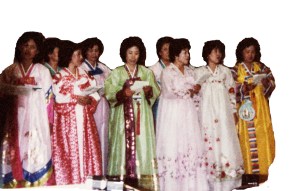
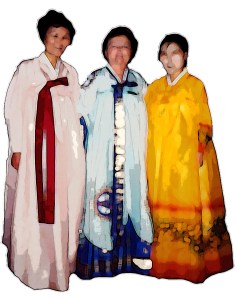
Here is a great post from Elizabeth Eastmond’s 2017 trip to the Chogun Textile and Quilt Art Museum in Seoul. Scroll down to the bottom to see the hanbok (traditional Korean clothing). (The website for the museum itself was last updated in 2018, so I am not linking to it.)
Symbols in K-dramas
As I research the history of Korean textiles, I occasionally come across items that help me understand the significance of happenings in certain K-dramas, so I will collect those here.
Bulls

In Once Upon a Small Town, the main character, a veterinarian, is called to a farm where the old farmer asks him to euthanize a bull. It is a touching episode on its own, but I came across this information from Isabella Bird’s 1905 book Korea and Her Neighbors, that helped me understand that the farmer’s deep attachment to the animal goes beyond just sharing work over the years, and reflects centuries of farming tradition.
It was most pleasant to be awoke in the dewy morning by bellowing of cattle, shouts and laughter of boys and yelping of dogs, as bulls old and young were driven to the river-bank to be tethered in the flowery grass. The frolicsome bull calves, which are brought up in the Korean home, and are attended to by the children, who are their natural playmates, develop under such treatment into that maturity of mingled gentleness and stateliness which is characteristic of the Korean bull, -the one grand thing remaining to Korea. When full grown a bull can carry from 350 to 500 lbs. They are fed on boiled beans, cut millet stalks, and cut pea haulm, and the water in which the beans are boiled. They are led by a rope passed round the horns from a bamboo ring in the nose. The prevailing colour is a warm red, and the huge animal in build much resembles the shorthorn. The Korean cow, which is to be seen carrying loads in Northern Korea, is a worthy dam of such a splendid progeny. (p. 123, 124)
The pony is not used in agriculture. Ploughing is done by the powerful, noble, tractable, Korean bull, a cane ring placed in his nostrils when young rendering him manageable even by a young child. He is four years in attaining maturity, and is now worth from £3 to £4, his value having been enhanced by the late war and the prevalence of rinderpest in recent years. Milk is not an article of diet. In some districts ox-sleds of very simple construction are used for bringing down fuel from the hills and produce from the fields, and at Seoul and a few other cities rude carts are to be seen; but ponies, men, and bulls are the means of transport for produce and goods, the loads being adjusted evenly on wooden pack-saddles, or in the case of small articles in panniers of plaited straw or netted rope. In the latter, ingeniously made to open at the bottom and discharge their contents, manure is carried to the fields. Both bulls and ponies are shod with iron. (p. 187, 188)